All Categories
Featured
Table of Contents
Author: Jessie JacksonJessie Jackson is a Senior Expert, Practice Lead in OSF Digitals Strategy group. She has 20+ years of experience as an omnichannel digital commerce company leader in the D2C industry. Jessie assists OSF customers with tactical preparation, service management and producing remarkable client experiences.
It includes automation, data, AI, and cloud to reshape company operations. From logistics automation to virtual healthcare, change can drive both innovation and performance.
Managing Successful R&D TeamsIn this article, we'll explore how businesses are accepting digital change, where initiatives are focused, and why it remains a leading priority for organizations seeking to stay competitive in an increasingly fast-paced, tech-driven world. Digital improvement includes making use of the latest digital innovations to fundamentally reshape how a business operates. While digital transformation became a mainstream company important in the 2010s, the roots go further back, starting with digitization in the 1980s and '90s.
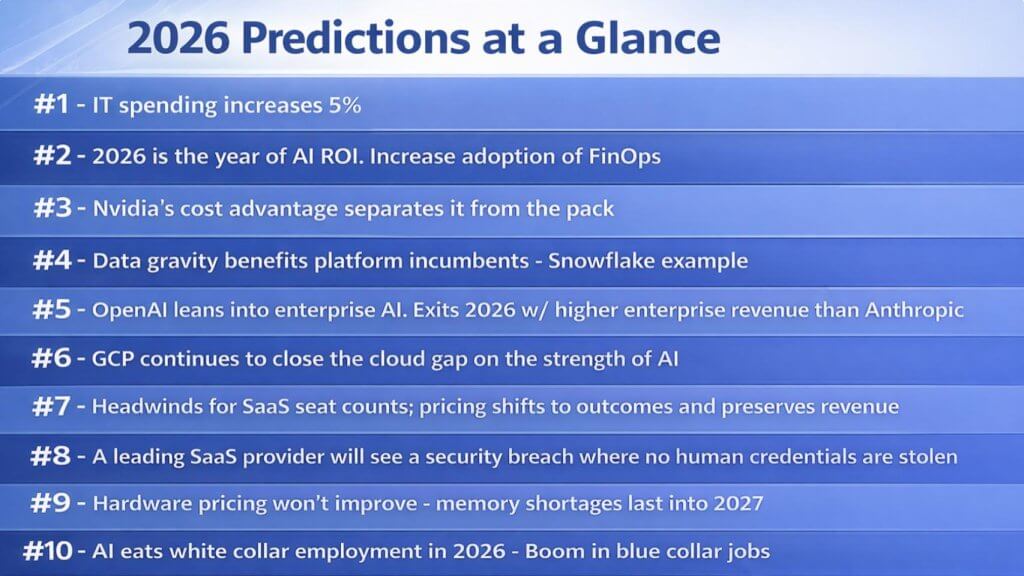
A Comprehensive 2026 Enterprise Tech Guide
The term "digital transformation" itself started acquiring traction around 2011, when it was used to describe the broader organizational effect of technology shifts. Real digital transformation goes beyond IT upgrades or improving existing workflows. It utilizes advanced innovations to reimagine those processes entirely, opening new types of worth for clients and driving long-term growth.
Let's clarify with an example from client service: Suppose a business moves from phone-based assistance to email or presents a chatbot for after-hours questions. These are: utilizing technology to improve an existing process. On the other hand,. Imagine that exact same business embracing a fully automated, AI-powered support group. This new system provides 24/7 tailored service throughout channels like chat, email, and mobile apps.
Digital change fundamentally changes the nature of assistance, making it more ingenious, individual, and constantly available. That's digital change: an essential shift in how worth is provided through technology. The blueprint for digital transformation varies widely depending on a company's size, industry, and goals. With emerging technologies and shifting client expectations, there's no fixed formula.
The majority of digital transformation efforts focus on these essential locations: Automated workflows replace manual processes, minimizing errors, increasing efficiency, and allowing employees to focus on higher-value jobs. Constantly reassessing how value is delivered by simplifying digital journeys, speeding up support, and personalizing experiences throughout all channels. Tradition systems often slow progress.
Real-time information and analytics provide insights into performance and customer behavior, enabling smarter, much faster decisions. Unifying platforms and processes break down departmental silos, enhances partnership, and gives management a comprehensive view of operations. As connectivity boosts, so do risks. Reinforcing security, protecting information privacy, and conference regulatory requirements are necessary to decreasing disturbances.
Managing High-Impact Corporate Hubs in 2026
According to Harvard Organization Evaluation, effective digital change tends to involve 5 interconnected aspects:: Getting the right management, culture, and talent in place.: Gathering tidy, top quality information across systems.: Turning that information into functional insights through analytics.: Operationalizing insights across workflows, systems, and decisions.: Determining outcomes and refining methods based on performance.
Other well-established structures, like McKinsey's 7S model or BCG's Digital Velocity Index, likewise highlight the significance of aligning strategy, structure, and people to drive significant transformation. The specific structure matters less than ensuring all components of business are lined up and developing together. The five primary components of digital transformation include individuals, data, insights, action and outcomes.
Here are some specific real-world benefits can you anticipate: Leveraging the most current technologies permits you to reassess your entire service model. Early adoption or pioneering brand-new tools can assist you approach obstacles in distinct methods, grow market share, and remain ahead while rivals are still capturing up. Digital transformation enables you to enhance the customer journey from start to finish.
Automating manual jobs streamlines workflows, decreases errors, and releases staff members to concentrate on higher-value work. These performances result in cost savings through better resource allocation, less bottlenecks, and, in some cases, reduced staffing requirements. Real-time information and integrated systems supply teams with enhanced presence, enabling your company to respond and adjust rapidly to market modifications, client demands, or internal difficulties.
Essential Operational Insights for Operating Labs
Embracing cutting-edge innovation is expensive, especially when developing brand-new solutions. A total overhaul of existing processes can produce authentic unpredictability for staff members.

Latest Posts
Designing Smart Infrastructure for 2026 Scale
Optimizing ROI via Smart Digital Hubs
Future Enterprise R&D Trends for Digital Growth